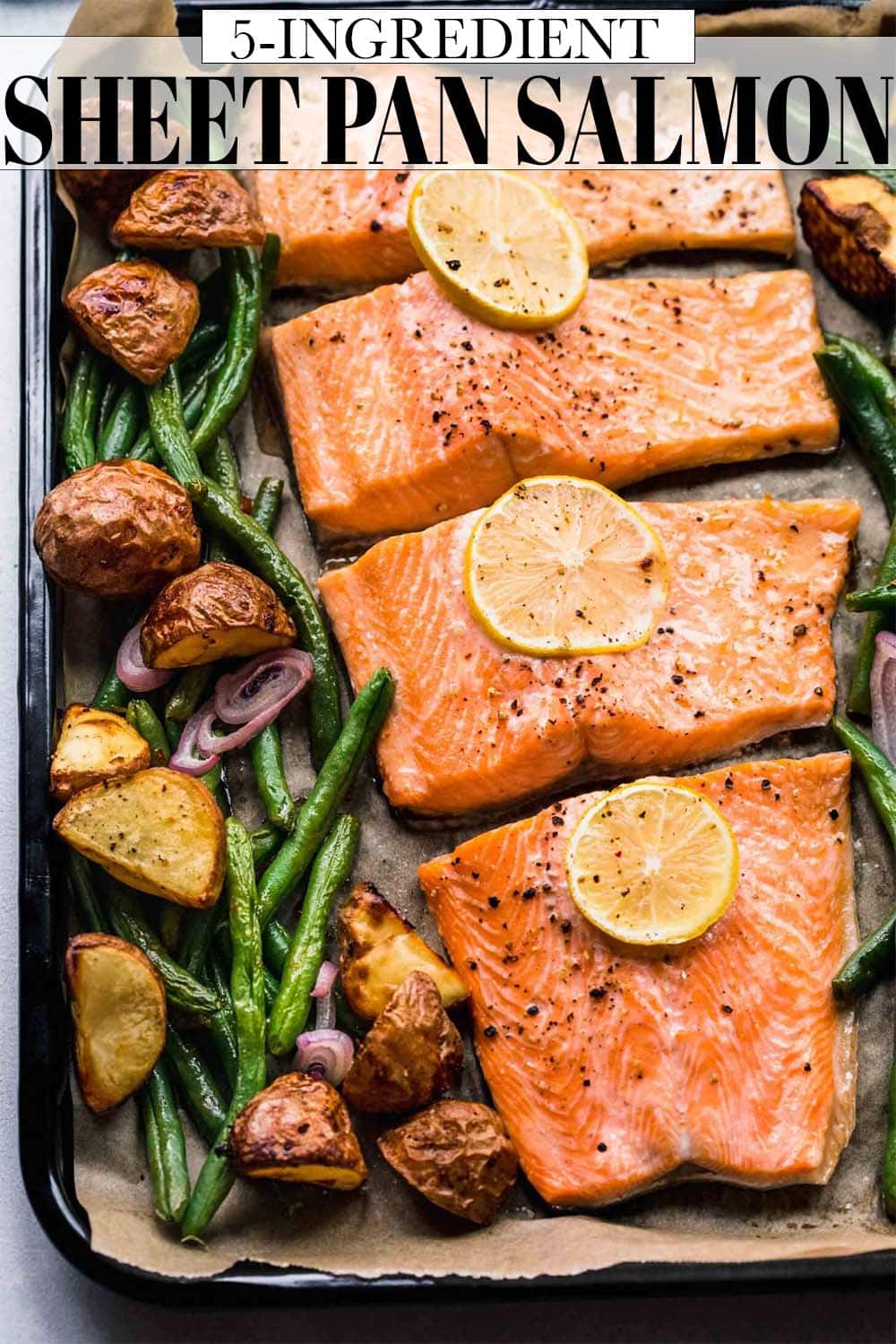
Effortless Sheet Pan Salmon: Quick Dinners, Minimal Cleanup
In the whirlwind of modern life, finding time for a healthy, home-cooked meal can often feel like an insurmountable challenge. Between work, family commitments, and daily errands, the idea of preparing a nutritious dinner, let alone facing a mountain of dishes afterward, can send even the most enthusiastic home cook reaching for takeout menus. This is where the magic of sheet pan salmon steps in, transforming weeknight dinners from a chore into a delightful, stress-free experience. Imagine a vibrant, flavor-packed meal that cooks on a single pan, delivering succulent fish and perfectly roasted vegetables with unbelievably minimal cleanup. It’s not just a dream; it’s the reality of sheet pan cooking, making it an indispensable technique for busy individuals and families alike.Why Sheet Pan Salmon is Your Weeknight Culinary Hero
The appeal of sheet pan meals, and particularly those featuring salmon, is multi-faceted. It caters to a desire for health, convenience, and deliciousness, all wrapped up in one simple method. Here’s why this cooking approach has garnered such immense popularity:- Unbeatable Convenience: The essence of a sheet pan meal lies in its simplicity. Everything—your protein, your vegetables, your seasonings—goes onto one pan. This means less prep, less fuss, and a streamlined cooking process. For those hectic evenings, the ability to simply "throw everything on a pan, season, and bake" is a game-changer.
- Effortless Cleanup: Perhaps the most celebrated benefit of sheet pan cooking is the dramatic reduction in dishes. With just a single pan (preferably lined with parchment paper), cleanup becomes a breeze. This freedom from scrubbing pots and pans is often cited as a primary reason people embrace this cooking style.
- Healthy & Nutritious: Salmon is a nutritional powerhouse, rich in Omega-3 fatty acids, protein, and essential vitamins. Paired with a colorful array of roasted vegetables, a sheet pan salmon dinner provides a balanced, wholesome meal. Roasting vegetables also brings out their natural sweetness and appealing texture.
- Incredible Versatility: The beauty of the sheet pan method is its adaptability. From zesty lemon-garlic profiles to sweet and spicy glazes, the possibilities for flavor combinations are endless. You can easily adapt recipes to suit dietary preferences, seasonal produce, or whatever ingredients you have on hand. It's a fantastic canvas for culinary creativity.
- Time-Saving: Many sheet pan salmon recipes are designed to be ready in 30 minutes or less, making them perfect for busy weeknights when time is of the essence. This speed doesn't come at the expense of flavor or nutrition, offering a win-win for home cooks.
Crafting the Perfect Sheet Pan Salmon: Components and Techniques
While the concept is simple, understanding the core components and a few key techniques can elevate your sheet pan salmon from good to truly exceptional.1. The Star: Choosing Your Salmon
The quality of your salmon makes a significant difference. Look for fresh, vibrant fillets. When it comes to cuts:
- Skin-on vs. Skinless: Skin-on salmon tends to remain more moist and offers a crispier texture if cooked properly. The skin also acts as a natural barrier, protecting the delicate flesh from drying out.
- Thickness: Center-cut pieces are often preferred as they cook more evenly and retain moisture better than thinner tail pieces. If you have varying thicknesses, you might need to adjust cooking times or start thicker pieces slightly earlier.
- Fresh vs. Frozen: Both are perfectly fine. If using frozen, ensure it's fully thawed and patted dry before seasoning to prevent excess moisture, which can lead to steaming instead of roasting.
2. The Companions: Selecting Your Vegetables
The best vegetables for sheet pan meals are those that roast well and cook in a similar timeframe to salmon (typically 12-20 minutes). Consider:
- Quick-Cooking Veggies: Asparagus, bell peppers, cherry tomatoes, zucchini, snap peas, and thinly sliced onions are excellent choices that cook relatively quickly alongside the fish.
- Medium-Cooking Veggies: Broccoli florets, cauliflower, green beans, and Brussels sprouts work wonderfully. For these, ensure they are cut into small, uniform pieces to ensure even cooking and to finish around the same time as the salmon.
- Longer-Cooking Veggies: Root vegetables like potatoes (especially sweet potatoes), carrots, or parsnips can be used, but they often require a head start in the oven before the salmon and quicker-cooking vegetables are added. Cut them into small, even cubes to accelerate their cooking.
Pro Tip: Don't overcrowd the pan! Give your vegetables and salmon space to breathe. An overcrowded pan leads to steaming rather than roasting, resulting in soggy instead of crispy textures. If necessary, use two sheet pans.
3. The Flavor Makers: Seasonings, Oils, and Glazes
This is where your sheet pan salmon truly comes alive. The simplest approach involves a good drizzle of olive oil, salt, and freshly ground black pepper. From there, the options are limitless:
- Classic Lemon-Garlic: A timeless favorite, combining fresh lemon slices, minced garlic, olive oil, and herbs like parsley or dill. This pairing is fantastic with asparagus or green beans, creating a bright and invigorating meal.
- Sweet & Spicy Dijon: A glaze made from Dijon mustard, a touch of maple syrup or honey, and a pinch of red pepper flakes offers a perfect balance of flavors. Culinary producers often suggest topping this with crunchy elements like everything bagel seasoning for added texture.
- Mediterranean-Inspired: Think olive oil, oregano, za'atar seasoning, sun-dried tomatoes, and perhaps a sprinkle of feta cheese at the end. This pairs beautifully with broccoli or bell peppers, evoking the vibrant flavors of the Mediterranean coast. Allrecipes Allstar France Cevallos praises Greek-inspired one-pan meals for their simplicity and guest-appeal, often recommending thick center-cut salmon for maximum moisture.
- Asian-Inspired: A simple glaze of soy sauce, ginger, garlic, and a hint of sesame oil can transform your salmon. Pair with bok choy or snap peas for an authentic touch.
- Herbaceous Butter: Melted butter infused with fresh herbs like thyme, rosemary, or tarragon, sometimes with a squeeze of lemon juice or capers, creates a rich and aromatic coating for both salmon and vegetables.
You can find even more inspiration in articles like From Lemon-Garlic to Maple Dijon: Easy Sheet Pan Salmon Meals to discover your next favorite flavor combination.
Tips for Sheet Pan Salmon Success
Mastering the art of sheet pan salmon involves a few practical considerations that ensure consistently delicious results.- Preheat Your Oven Properly: A hot oven (typically 400-425°F / 200-220°C) is crucial for good roasting. This ensures that vegetables caramelize and salmon cooks through without drying out.
- Parchment Paper is Your Ally: Always line your sheet pan with parchment paper. This is the secret weapon for truly minimal cleanup, preventing food from sticking and making washing the pan a breeze. Foil can also work, but parchment often yields better browning.
- Season Everything Generously: Don't be shy with seasonings! Ensure both your salmon and vegetables are well-coated with oil, salt, pepper, and your chosen spices or glazes. This builds layers of flavor.
- Don't Overcook the Salmon: Salmon is delicate and can dry out quickly. The general rule for salmon is to cook it until it reaches an internal temperature of 145°F (63°C). Depending on thickness, this usually takes 12-20 minutes. The flesh should flake easily with a fork, but still be moist. Using a meat thermometer is the most reliable way to check for doneness.
- Consider Separate Cooking Times for Vegetables: If you're using a mix of fast-cooking (e.g., asparagus) and slower-cooking (e.g., sweet potatoes) vegetables, you might want to start the slower-cooking ones first. Roast them for 10-15 minutes, then add the salmon and quicker-cooking vegetables to the pan for the final 15 minutes of cooking.
- Meal Prep Powerhouse: Sheet pan salmon isn't just for dinner. Cook a larger batch on a Sunday, and you'll have healthy, ready-to-eat components for lunches throughout the week. Serve the leftover salmon and veggies over greens, with quinoa, or alongside rice for a complete meal. For even more diverse options, explore + Delicious Sheet Pan Salmon Recipes for Busy Weeknights.
- Serving Suggestions: While a sheet pan salmon meal is often complete on its own, it can be wonderfully complemented by a side of fluffy rice, quinoa, couscous, or a simple crusty bread to soak up any delicious juices. A light green salad with a vinaigrette also adds a refreshing contrast.
